- Government Withdraws Mandatory Pre-Installation of Sanchar Saathi on Phones
- Michael and Susan Dell are donating $6.25 billion to fund "Trump Accounts"
- Sharma diverges from Congress line on West Asia, hails government’s diplomacy
- Supreme Court upholds harsher punishment for higher authority
- It's time to name and shame these Trump villains

Indian Rupee hits all-time low, breaching 90 against US dollar for the first time at 90.21. Heavy FII outflows, rising crude oil prices, and trade uncertainties triggered the sharp fall despite RBI intervention.
Indian Rupee Hits All-Time Low, Breaches 90 Against US Dollar
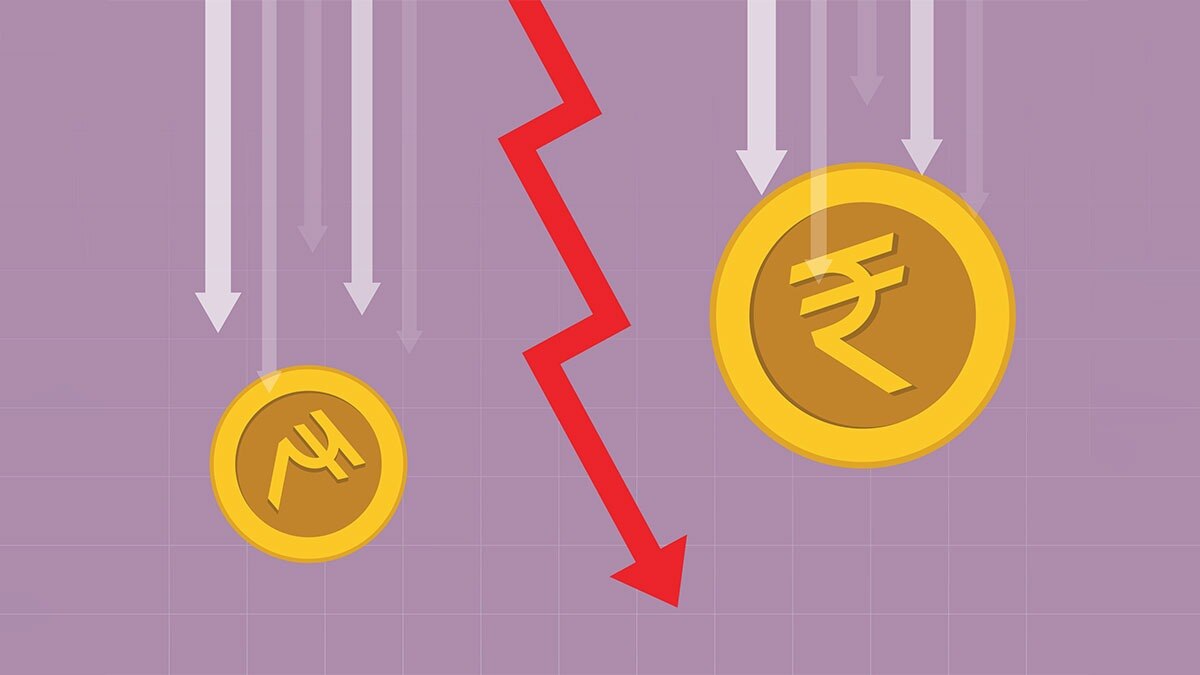
The Indian rupee has plunged to a historic low, trading past the psychologically significant 90 per US dollar mark for the first time on Wednesday, December 3, 2025. It reached an intraday low of around 90.30 before settling near 90.21, marking a sharp decline amid persistent pressures. This breach surpasses the previous record low of 89.96 set just a day earlier.
Key Factors Driving the Decline
Foreign institutional investors (FIIs) have been pulling out funds from Indian markets, exacerbating the rupee's weakness. Uncertainty surrounding the India-US trade deal has added to market jitters, while rising crude oil prices have intensified import costs for oil-dependent India. A stronger US dollar globally, coupled with sustained importer demand and speculator short covering, has fueled the rapid slide.
RBI's Response and Market Reaction

The Reserve Bank of India (RBI) intervened by selling dollars to curb volatility, which helped pare some losses but failed to prevent the rupee from closing at a new all-time low. Traders noted the speed of the fall caught markets off guard, with the currency showing little signs of stabilization by mid-morning. Despite strong economic growth and low inflation in India, the rupee has underperformed among Asian currencies this year.
Implications for Economy and Households
A weaker rupee heightens import costs, potentially stoking inflation and squeezing households through pricier fuel, electronics, and everyday imports. Businesses face higher expenses for raw materials, which could erode profit margins and competitiveness. While exporters may benefit from better realizations, the overall pressure risks broader economic slowdown without sustained RBI support or improved foreign inflows.
Outlook Ahead
Experts suggest the rupee's slide may extend amid ongoing outflows and trade limbo, though some anticipate recovery next year if global conditions ease. Markets await clearer signals on US trade policies under President Trump and potential RBI measures to defend the 90 level. The breach underscores vulnerabilities in India's external balances despite robust domestic fundamentals.
The breach of the 90 mark by the Indian rupee highlights the urgent need for sustained policy measures and resolution of trade uncertainties to stabilize the currency and support economic resilience

Happy Streets returns to Bhartiya City in Bengaluru
Happy Streets, Bengaluru's beloved community event promoting car-free zones and active lifestyles, makes a vibrant return to Bhartiya City, drawing cr

Charter operators seek fair play in fuel pricing
Charter operators are pushing for equitable fuel pricing reforms to counter rising costs and ensure a level playing field in the industry.

AIBEA writes to FM seeking probe into HDFC Bank matter after chairman's exit
The All India Bank Employees Association has urged Finance Minister Nirmala Sitharaman to investigate alleged irregularities at HDFC Bank following th

How ‘eco-dystopian’ novels from Asia and Africa are pushing boundaries
Eco-dystopian novels from Asia and Africa are challenging traditional narratives by blending environmental crises with cultural insights, gaining glob


Subscribe to our mailing list to get the new updates!

Subscribe our newsletter to stay updated