
The Reserve Bank of India (RBI) recently cut its repo rate, by 25 basis points. A repo rate cut activates cheaper loans and lower FD rates to investors.
What Does RBI Cutting the Repo Rate by 25 Basis Points Mean?

The Reserve Bank of India (RBI) recently cut its key lending rate, called the repo rate, by 25 basis points. This means the repo rate went down by 0.25%, now standing at 5.25%. In simple terms, the repo rate is the interest rate at which the RBI lends money to commercial banks. When this rate is reduced, it usually becomes cheaper for banks to borrow money.
Banks can then lend more easily to businesses and consumers, often at lower interest rates. This generally helps boost spending and investment in the economy.
Why Did the RBI Decide to Cut the Repo Rate?
The RBI cut the repo rate because inflation has dropped to a comfortable level, now estimated at just 2%, which is well within their target range.
Inflation refers to the rise in prices of goods and services over time. When inflation is low, the RBI has room to reduce rates to support growth without risking prices rising too fast.
Additionally, the Indian economy has been growing steadily. The RBI updated its growth forecast to 7.3%, indicating a healthy economy ready to expand further.
By cutting the repo rate, the RBI hopes to encourage borrowing and spending, which can keep economic growth on track.
How Does This Repo Rate Cut Affect You?
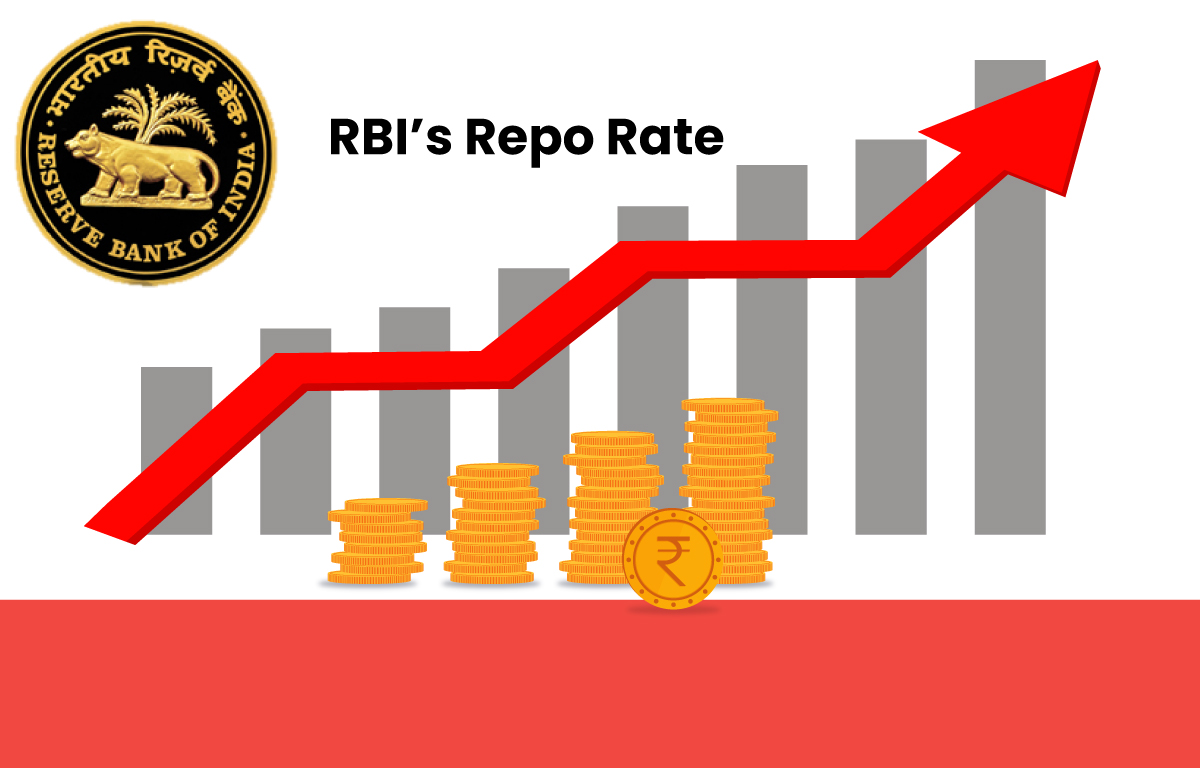
For regular people, a repo rate cut usually means cheaper loans. If you have a home loan, car loan, or personal loan with a variable interest rate, your Equated Monthly Instalments (EMIs) could become more affordable.
For businesses, lower borrowing costs can mean more funds to expand operations, hire staff, or invest in new projects.
However, it’s important to remember that banks don’t always pass on the full cut to customers immediately, but over time, lower rates do tend to benefit borrowers.
What Should We Watch Next?
Even though the RBI cut rates, it signaled a neutral stance, meaning it is ready to adjust policy further depending on how the economy and inflation behave.
Another key point is how the Indian Rupee moves against other currencies. The RBI is actively managing liquidity in the system to keep the currency stable alongside growth concerns.
The central bank’s future decisions will hinge on inflation trends, economic growth, and global factors like trade deals.
This rate cut could be among the last in the current cycle, so upcoming monetary policy meetings will be closely watched by investors, businesses, and households alike.
A small rate cut can create big ripples in everyday life, easing costs and encouraging growth.

Happy Streets returns to Bhartiya City in Bengaluru
Happy Streets, Bengaluru's beloved community event promoting car-free zones and active lifestyles, makes a vibrant return to Bhartiya City, drawing cr

Charter operators seek fair play in fuel pricing
Charter operators are pushing for equitable fuel pricing reforms to counter rising costs and ensure a level playing field in the industry.

AIBEA writes to FM seeking probe into HDFC Bank matter after chairman's exit
The All India Bank Employees Association has urged Finance Minister Nirmala Sitharaman to investigate alleged irregularities at HDFC Bank following th

How ‘eco-dystopian’ novels from Asia and Africa are pushing boundaries
Eco-dystopian novels from Asia and Africa are challenging traditional narratives by blending environmental crises with cultural insights, gaining glob


Subscribe to our mailing list to get the new updates!

Subscribe our newsletter to stay updated